

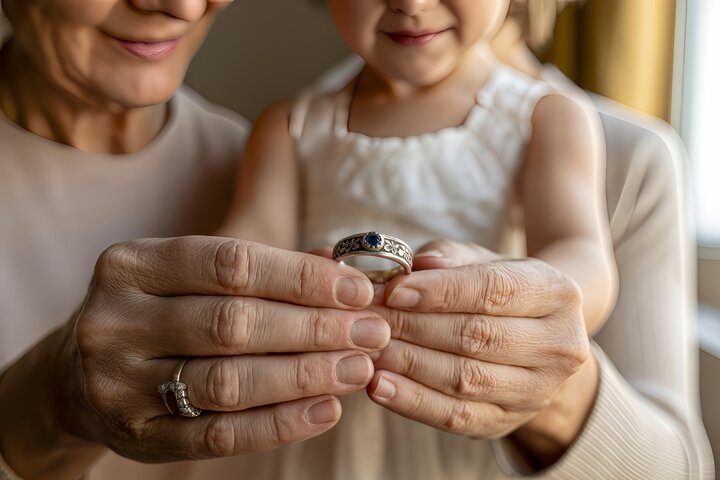
Ask any estate planning attorney which disputes get the ugliest, and the answer might surprise you: it’s rarely about the house or the retirement account. It’s about the ring. The watch. The dining table nobody uses but everybody wants. The box of Christmas ornaments.
Sentimental items cause disproportionate conflict because the fight was never really about the object. It’s about who felt most loved, most seen, most chosen. A $200 charm bracelet can end up costing a family more in resentment than a $200,000 estate ever could.
Why Heirlooms Are More Dangerous Than Big-Ticket Assets
Most estate plans are built to handle the big stuff: real estate, investment accounts, business interests. Personal property, in other words, the “stuff”, often gets a single vague line: “divided equally among my children” or, worse, no mention at all.
That vagueness is where the trouble starts. “Equally” doesn’t mean the same thing to every sibling. Equal in dollars and equal in meaning are not the same thing. One person’s cherished memory is another person’s afterthought, and there’s no dollar figure that can arbitrate whose feelings are more valid.
How to Head It Off Before It Starts
Talk about it while everyone’s in the room. Some families do a “walkthrough” where parents ask each adult child to identify a few items that matter to them, out loud, together. It overlaps early, while there’s still room to negotiate calmly instead of grieving and negotiating at the same time.
Put it in writing and use the tool that works in Ohio. Many states let you keep a separate, easily updated list of who gets the ring, the watch, the ornaments. Ohio is more particular. A will can incorporate a personal property memorandum, but the list generally must already exist when the will is signed and is typically deposited with the probate court when the will is admitted.
A note rewritten years later is often only a wish, not a binding gift. If you want flexibility as relationships and inventories change, ask about specific bequests in the will, gifts made during life, or placing sentimental items in a revocable trust, which can be updated without re-executing the will. An estate planning attorney can match the method to the family.
Assign a tiebreaker method in advance. For items more than one person wants, some families use a rotating draft, a simple lottery, or a “first right of refusal” system agreed on ahead of time. Deciding the method while everyone’s calm is far easier than deciding the outcome after a loss.
The goal isn’t to make sure every child receives the exact same dollar value. It’s to make sure your family isn’t left guessing what you wanted. A few thoughtful conversations and clear instructions today can prevent years of hurt feelings tomorrow. The best inheritance isn’t the ring, the watch, or the ornaments. It’s preserving the relationships of the people you leave behind.
CPM’s estate planning team is here to help. Contact us to schedule a consultation.



0 Comments