

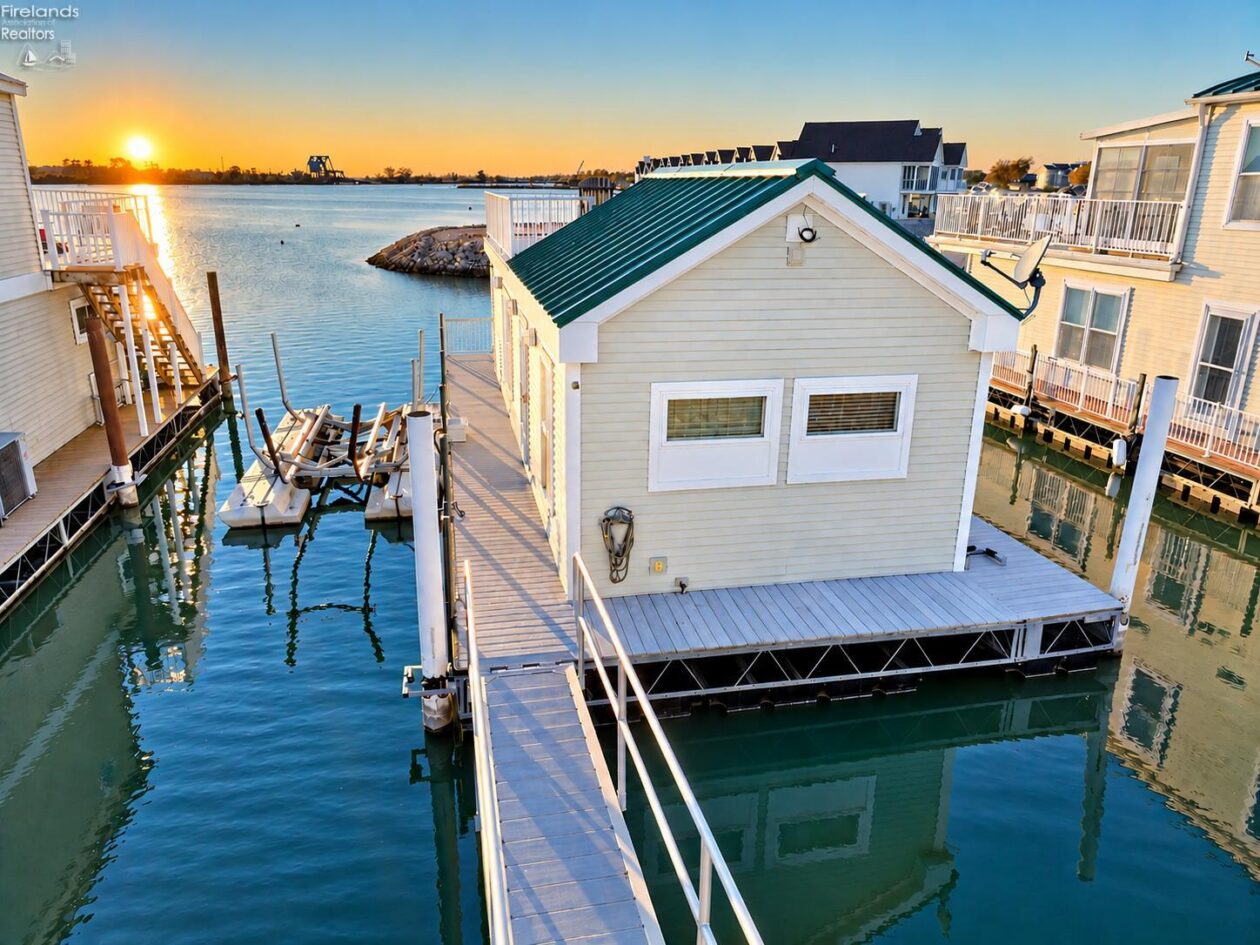
Inheriting a family lake house sounds like the American Dream, right? But when siblings become co-owners, disagreements over money, maintenance, and the future of the property itself can quickly turn a beloved space into a pain point.
While the intention behind a shared family vacation home is often to keep the family together, sometimes it can lead to the opposite effect. AARP has documented one family’s fight over a vacation property that took three lawsuits and eight years to resolve — and nearly a decade more before the siblings reconciled.
Maybe one sibling wants to preserve the home as-is while another is ready to sell it and use the money elsewhere. A third sibling could love the idea of keeping the home but isn’t ready to financially contribute to the expenses tied to property taxes, insurance, and upkeep.
Perhaps one sibling uses the home more than the others. Should that person be required to contribute more? What happens when multiple siblings want to use the space for the same long weekend? Or maybe one sibling wants to renovate portions of the space. Who has the authority to approve those projects, and who is allowed to step in and stop them if there isn’t a unanimous agreement?
These are usually the questions families don’t consider until they’re already faced with the decisions. Without a plan, the answers can be complicated.
What happens when one sibling wants to sell?
In Ohio, when siblings inherit a property as tenants in common, each usually owns an undivided interest in the entirety of property rather than individual physical pieces of it.
Keep in mind that if your family’s getaway sits across state lines, such as on a Michigan lake or the Florida coast, real estate is generally governed by the laws of the state where it is located. An out-of-state vacation home may follow different co-ownership rules and could even require a separate probate proceeding in that state.
If one sibling wants out, the others may have the opportunity to purchase it. But if they can’t agree on a price, or no one has the financial ability to buy out the sibling who wants to leave, a co-owner may be able to pursue what is known as a partition.
A partition action asks a court to divide or end the shared ownership. In some circumstances, the property could even be physically divided, but for a single vacation home that can’t be reasonably split into fractions, the process may wind up in a court-ordered sale.
Ohio law does give a sibling who wants to keep the home one important option: in a partition case, a co-owner can elect to take the property at its court-appraised value by paying the other owners their shares. But if no one can afford that buyout, then the home is typically sold, and even a sibling who wanted to keep it could lose it.
Our takeaway? Leaving a property equally to your kids doesn’t always guarantee they’ll be able to keep it together.
Who pays for taxes, insurance, and upkeep on a shared vacation home?
Vacation homes can become incredibly expensive, even when a mortgage is paid off.
Property taxes, homeowners’ insurance, utilities, landscaping, repairs, and seasonal maintenance continue regardless of how often the home is used throughout the year. And those costs keep climbing: the average U.S. homeowners insurance premium is projected to rise again in 2026, to about $3,057, after a 12% jump in 2025.
Should every sibling contribute equally, even if one family uses the property more often? Should the sibling who lives nearby be relied on and compensated for maintenance? What happens when one person doesn’t pay their share?
How to plan ahead: trusts, LLCs, and co-ownership agreements
The good news is that parents who are considering a vacation home for their family can thoughtfully prepare with estate planning to offer their children more structure.
Some strategies to do this include:
- Establishing a trust, which can allow parents to lay out rules for how the property is managed, who may use it, how expenses are paid, and what happens if a beneficiary no longer wants to be included. Trusts can also identify the decisionmakers for the property.
- Forming a limited liability company (LLC), which places the vacation home inside a family-owned entity. An operating agreement can spell out voting rights, how expenses are shared, scheduling, and what happens when a member wants out. An LLC may also offer an added layer of protection, particularly if the property is ever rented to others.
- Creating a written co-ownership agreement to establish expectations for siblings who own a property. These expectations can range from scheduling and maintenance to expenses and other major decisions.
- Planning for future expenses by setting aside funds or creating a financial plan to help cover the cost of future ongoing expenses related to the property.
Bear in mind that the right approach depends on the property itself, the number of siblings or other beneficiaries, financial circumstances, and other family dynamics. (Sentimental assets often spark the hardest conversations. Read more in Who Gets Grandma’s Ring? Why Family Heirlooms Cause More Estate Fights Than Money.)
With the right conversations and resources, families can build realistic expectations, clarify remaining questions, and create a situation that leaves something lovely for generations to come.
At Carlile Patchen & Murphy LLP, our Family Wealth & Estate Planning attorneys work with individuals and families to create estate plans that account for all kinds of assets, family dynamics, and long-term goals.
Keep the lake house a place your family wants to gather
Before summer plans turn into a court case, talk with our team about a trust, family LLC or co-ownership plan for your vacation property — wherever it’s located. Schedule a consultation at our Columbus or Dublin office, or call 614.228.6135.



0 Comments